Custom ERP for companies

Your ERP forces you to work as it wants, or you depend on a manufacturer who decides when and how it evolves. A custom ERP is tailor-made software for managing your company, and we design and develop tailor-made software for companies.
Your ERP forces you to work the way it wants, or you depend on a vendor who decides when and how it evolves. A custom ERP is tailor-made software for managing your company, and we design and develop custom software for companies. We start by understanding what your system does today before deciding whether to build, buy, or connect.

To start, just describe the system. Do not send credentials or databases.

Request your Proportione Legacy diagnosis

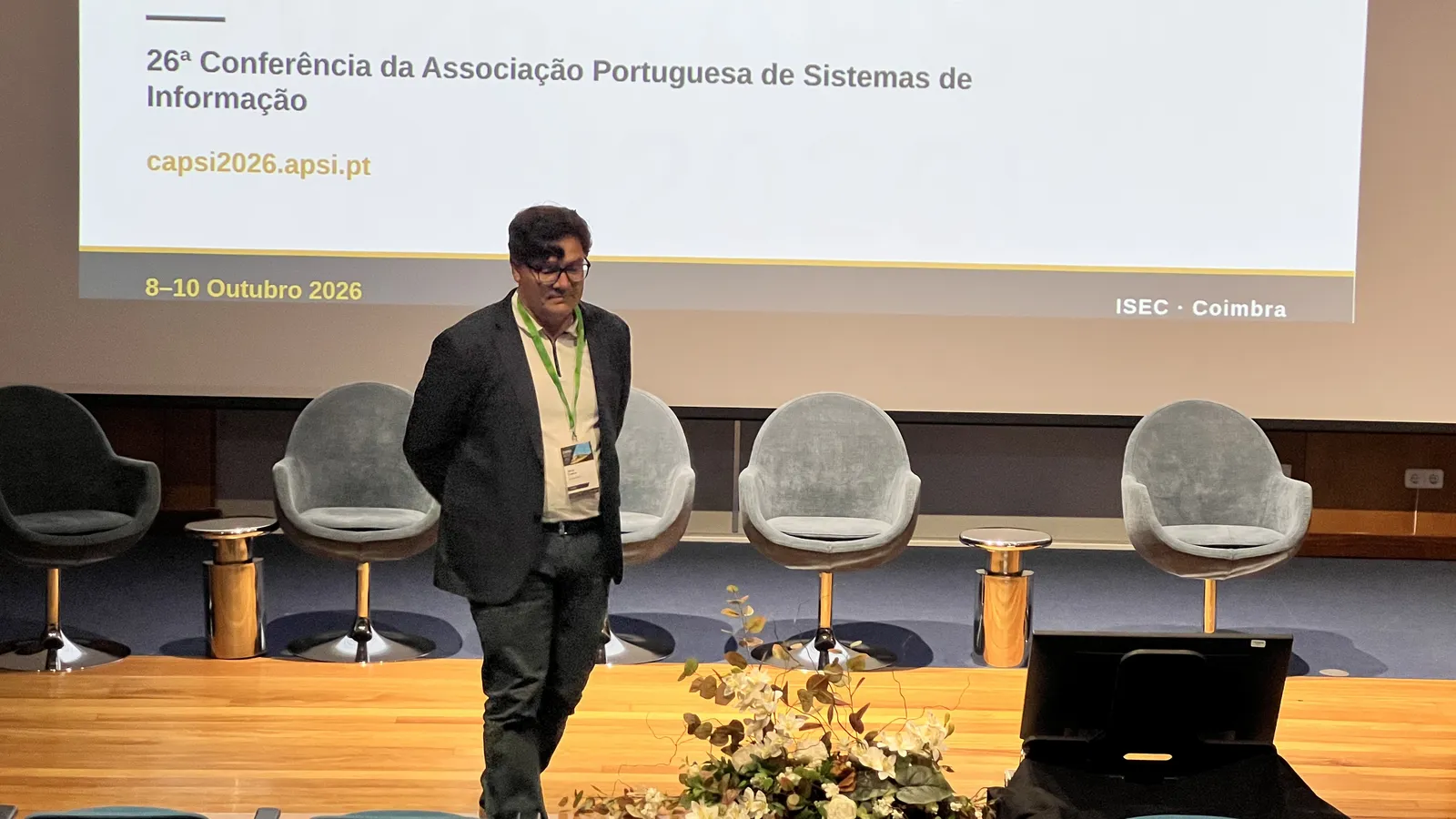
Javier Cuervo, co-founder of Proportione, on stage at an information systems conference

A custom ERP is only worthwhile when its operating method is what differentiates it

A standard ERP handles well what is common to all companies. A custom ERP is worthwhile when what differentiates you is precisely in the process that the product forces you to change.

When it makes sense to build

When it's better to buy or connect

What it means for you: before building, three options (build, buy, or connect) are compared with your company's data. Next step: the diagnosis, which we explain below. To compare package, custom, and connection across the entire company, see business management software.

From a manufacturer's ERP to your own: decided in phases, not all at once

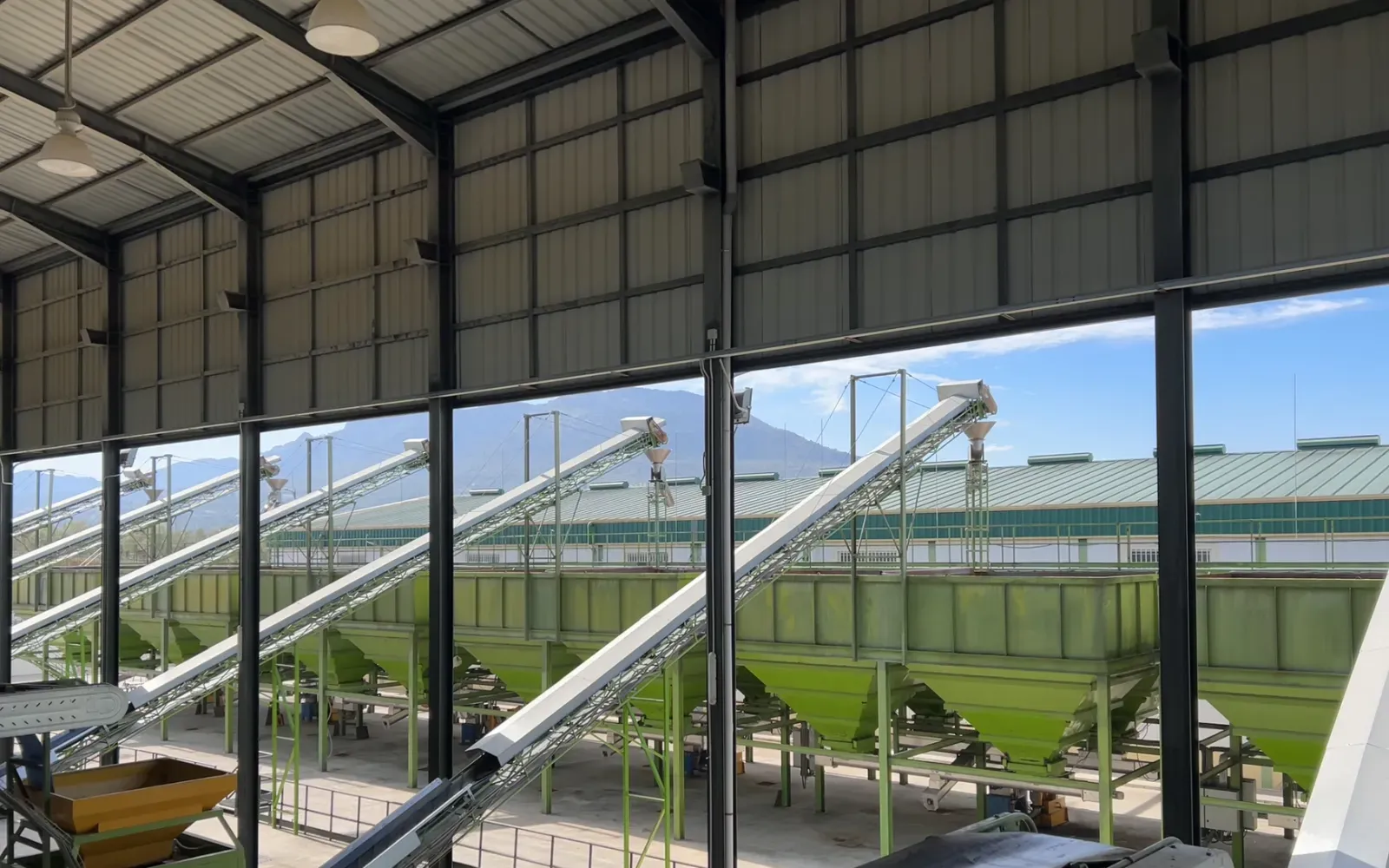
Industrial warehouse with conveyor belts and feeding hoppers, viewed from a walkway

Moving from a vendor ERP to a proprietary one is not about replacing one program with another. It's about deciding which parts of the current system to keep, which to connect, and which to build. The scope proposal is made in phases, each with its acceptance criteria.

From SAP or another vendor ERP to proprietary development: the method

The method starts with the system you have, regardless of the vendor: inventory of processes and data, options (build, buy, or connect), and a phased scope proposal. What changes from one ERP to another is the inventory, not the work order.

What it means for you: you don't have to decide the complete destination on the first day. Next step: request the diagnosis and review the phased proposal.

Before building, an inventory of what the current ERP truly does

Those looking to change ERP usually have a specific reason: the vendor stops providing support, the process has changed, or each adjustment depends on a third party. In all three cases, the first step is the same: know what the system does today, with what data, and with what rules that no one wrote down.

With this inventory, decisions are made based on data: replace, complete, or connect. The proposal is put in writing before starting.

What it means for you: you know what you lose and what you gain with each option before signing anything. Next step: if the reason is that your system is no longer supported, the page legacy systems migration service explains how to analyze it.

A custom ERP is built in phases, and each phase has its acceptance criteria

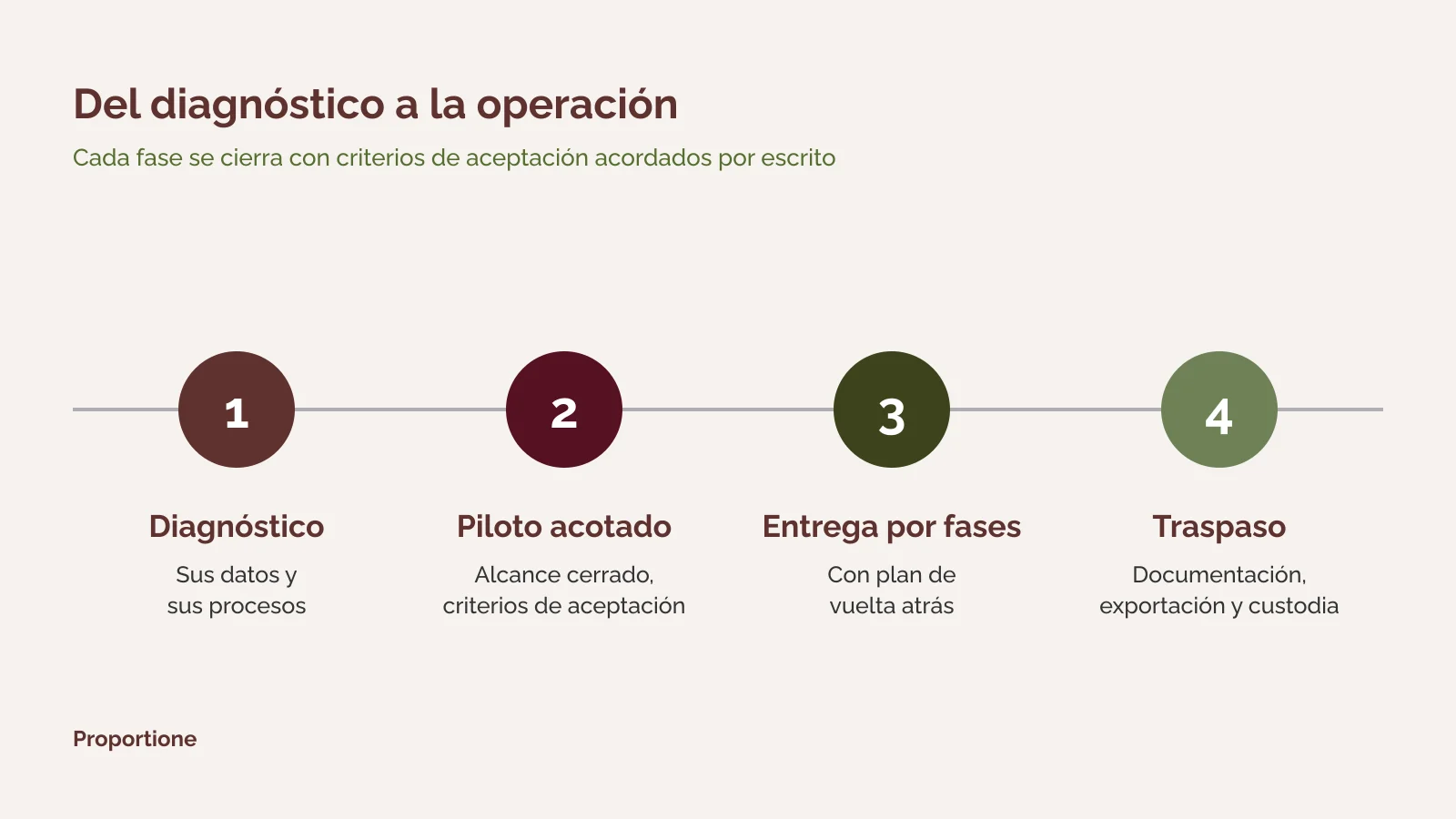
The general details of the method are in how we work. For a custom ERP, the journey is this.

Diagnosis: understand the process and data before choosing the destination

It delivers an inventory of processes and data, options (build, buy, or connect), and a phased scope proposal.

Limited pilot before proceeding

When the case requires it, a limited pilot, with acceptance criteria set in advance, before proceeding.

Phased delivery with prepared rollback

We deliver in phases, with acceptance criteria and a rollback plan. The rollback plan is part of the design.

Transfer: documentation, export, and custody

Documentation, export, and verifiable custody are part of the design from the beginning.

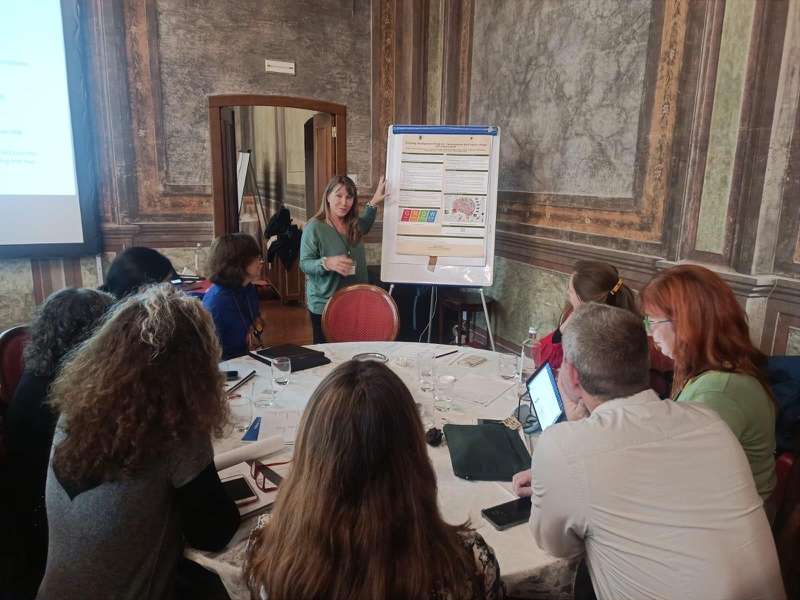
A Proportione professional presents a work plan to a group in a meeting room

What it means for you: at all times you know what has been delivered, what is missing, and how to roll back. Next step: request the diagnosis.

What remains in your hands: a diagnosis, a phased plan, and the code

Diagram of four phases of custom software development: diagnosis, limited pilot, phased delivery, and handover

What it means for you: you are not tied to us to move forward. Next step: request the diagnosis and review the phased proposal.

First the process, then connect, and AI at the end

We approach things in this order: first, the process is digitized and understood, then the existing system is opened with APIs and connectors, and only then AI on top. A custom ERP is one of the ways of custom software development that we do, just like a Custom CRM.

AI can run on your own server and, if necessary, without an internet connection. This is the option we describe in artificial intelligence in business and in AI with legacy software: where to start.

What it means for you: your data does not have to leave your premises. Next step: view our services or request the diagnosis.

Frequently Asked Questions

How much does a custom ERP cost?

It depends on the scope: how many processes are involved, how much data needs to be organized, and what systems it connects to. We don't give a price without understanding your case. The diagnosis concludes with a phased scope proposal, and from there, it is specified.

Custom ERP or off-the-shelf ERP?

If an off-the-shelf ERP covers your operations without forcing them, it is usually the best choice. A custom solution makes sense when what differentiates you is precisely what the product forces you to change. There is a third way: connecting what you already have. The diagnosis compares all three.

When is it a good idea to change your ERP, and what happens to the data?

When your current system no longer keeps up with your process, or its evolution depends on a third party. Data is inventoried before making a decision; export and custody are verifiable and part of the design.

Who owns the code?

The code belongs to the client, and this is explicitly stated in the contract. Documentation, exportability, and custody are verifiable and form part of the design.

Do you have to replace the entire ERP all at once?

No. It is delivered in phases, with acceptance criteria for each and a rollback plan. One of the three diagnostic options is to connect what already works with the new system.

Request your Proportione Legacy diagnosis

Tell us what ERP or management system you have or need. We will respond within a maximum of two business days. [Short form: see specification in notes] If you prefer to write to us directly: contact.

Request your Proportione Legacy diagnosis

Do not send credentials or databases. We will use your data only to respond to you; more information in the Privacy Policy.