Process digitization: from paper and PDF to digital process

Orders, reports, and delivery notes arrive on paper or in PDF, someone types them into another system, and the original ends up in a folder. It works until the day you need to know what happened to an order, or the management software needs to communicate with another.

Orders, reports, and delivery notes arrive on paper or as PDFs, someone types them into another system, and the original ends up in a folder. This works until the day you need to know what happened to an order, or when your management software needs to communicate with another. This page explains how to go from document to data, where to start, and what is delivered.

To start, simply describe the process. Do not send credentials or databases.

Request your Proportione Legacy diagnosis

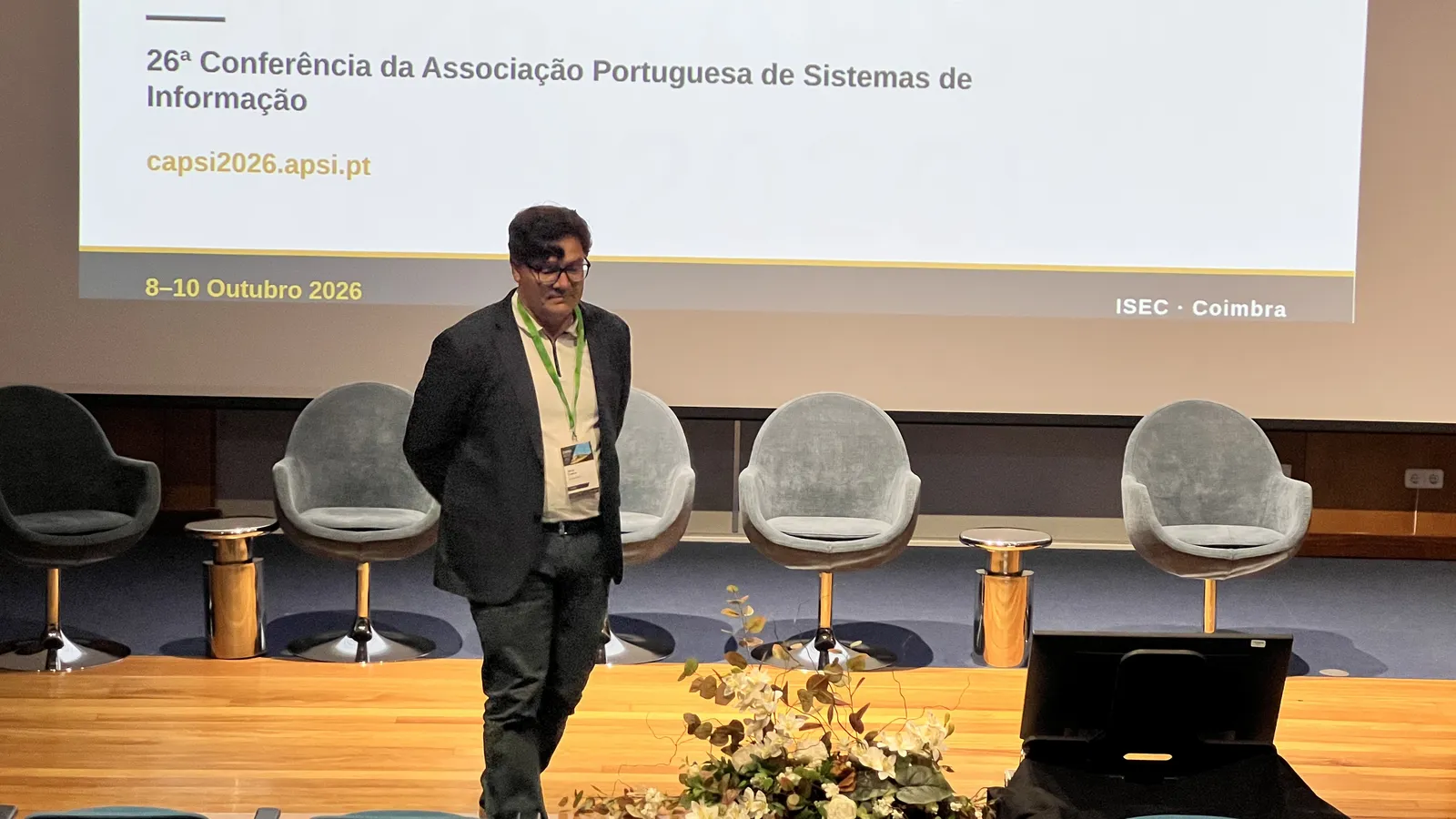
Javier Cuervo, co-founder of Proportione, on stage at an information systems conference

Where is your case

Each query has its section, with its own questions:

In a nutshell

Digitizing is not scanning: a PDF stores the document, not the data

A PDF is a photograph of the document. It can be archived and read, but it cannot be searched by client, summed by month, or cross-referenced with stock without someone typing it in. As long as the data lives only on paper or in a PDF, every time it is needed, it has to be re-entered, and each re-entry is an opportunity for error.

Digitizing a process is something else: it means the data exists as data, with its field, format, and validation rule, in the system that uses it. The document becomes a supporting document, not the source.

We start with a diagnosis of your data and processes before choosing the destination. It delivers an inventory of processes and data, the options (build, buy, or connect), and a phased scope proposal.

What it means for you: knows which documents drive your operations and what data they contain, before deciding anything. Next step: choose the section below that resembles your case.

Digitize paper and PDF processes

Documents already exist and will continue to arrive: invoices and delivery notes from suppliers, handwritten forms, PDFs by email. Digitizing the process means deciding how to extract the important data from each one and to which system it goes (for example, a business management software), with someone reviewing what doesn't match.

What to look at before touching anything

Three common paths

That the document is readable by a program, that the extracted data is reliable, and that there is a person who reviews exceptions are three different things, and they are resolved separately. The diagnosis separates them.

What it means for you: You don't have to choose between 'keep typing' and 'change everything': there is an intermediate path that starts from what you already have. Next step: request the diagnosis.

Questions about digitizing paper and PDF processes

Can data from any PDF or paper be read?

Not always with the same reliability. A PDF generated by a program is very different from a photograph of a handwritten paper. That's why the diagnosis reviews a real sample of your documents before proposing a solution, and it's defined what happens with those that are not read well.

Is a person needed for review?

Usually, yes, at least at the beginning and for exceptions. What is designed is that it only reviews doubtful cases and not every document. Acceptance criteria set what is considered correct before starting.

Let data be born digital

Reading a document to extract data is plan B. Plan A is that the data is not born on paper: that whoever originates it writes it once, in a form, a portal or an application, with validation rules set at the origin, and that it arrives already structured to the system that uses it.

A work order filled out on a screen, with mandatory fields and closed lists, does not need anyone to interpret it afterward. An order that comes in through a form is not typed twice.

When it is possible and when it is not

What it means for you: every document that is no longer born on paper is a piece of data that is written once and used everywhere. Next step: if you want to see how we build this type of application, check custom software development.

Questions about data being born digital

Do we need to build an app for this?

Not necessarily. If the process is standard, an off-the-shelf product can cover it. We build when the process is proprietary and forcing it into a product would cost more than making it custom. The diagnostic compares building, buying, and connecting using data from your case.

What if my suppliers or customers still send paper and PDFs?

That is common. The process is designed to coexist with both: what comes in digitally is used as-is, and what comes in on paper or PDF goes through the capture process mentioned earlier. Over time, a better format can be agreed upon with each third party.

Request your Proportione Legacy diagnosis

Where to start: the process that matters most

It is advisable not to digitize the entire company at once. You start with one process—the one that matters most—and what is learned is applied to the next.

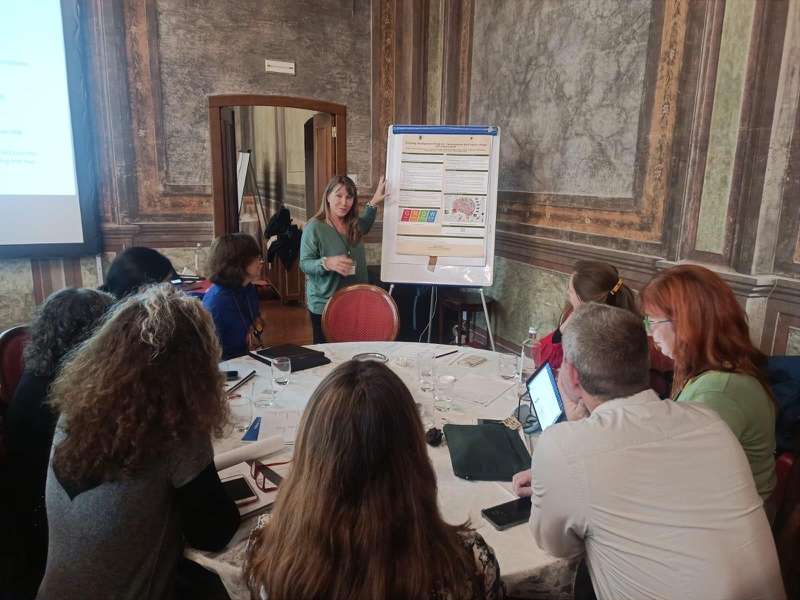
A Proportione professional presents a work plan to a group in a meeting room

How to choose the process

The process does not need to be the largest one. It needs to be important and manageable in scope.

How to define the scope

It defines which documents come in, what data goes out, and which system receives it. When the case requires it, a limited pilot is conducted, with acceptance criteria established beforehand, before proceeding with the rest of the processes.

What it means for you: leaves the diagnosis with an orderly process flow and the first one clearly defined. Next step: request the diagnosis and bring the two or three candidate processes.

Questions about where to start

Which process should be digitized first?

The one that involves the most hands, has the most impact on other processes, and depends the most on a single person. The diagnostic orders this based on your case and defines the first process in the phased scope proposal.

Do we have to stop operations while digitizing?

It is delivered in phases, with acceptance criteria and a rollback plan. The current process can remain in use until the corresponding phase meets its criteria, and the rollback covers the moment of the change.

What you receive and how to proceed

General details are in how we work.

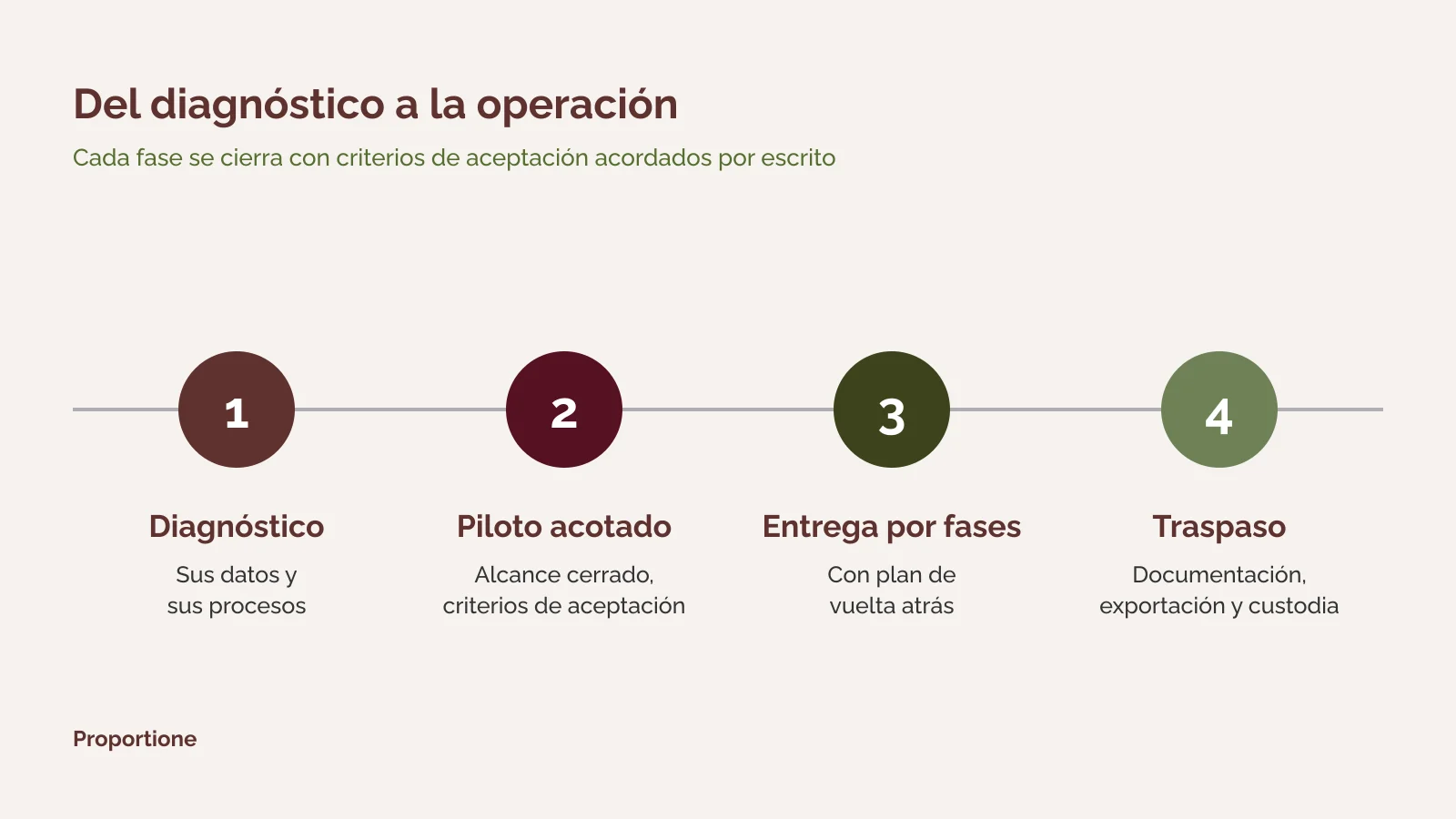
Diagram of four phases of custom software development: diagnosis, limited pilot, phased delivery, and handover

1. Diagnosis: process and data inventory, options (build, buy, or connect), and phased scope proposal. 2. Scoped pilot, with pre-established acceptance criteria before proceeding, when the case requires it. 3. Phased delivery, with acceptance criteria and a rollback plan. 4. Handover: verifiable documentation, export, and custody. The code is yours, and that is stated in the contract.

What it means for you: at all times you know what has been delivered, what is missing, and how to roll back. Next step: request the diagnosis.

First operations, then connect, and finally AI

The order we follow is this: first, the operation is digitized so that the data is born digital and organized; next, the legacy software is opened with APIs and connectors to link it with the rest, and only then is AI applied on top. This page is the first section.

AI is no longer a distant matter: according to INE, 21.1% of companies with 10 or more employees used it in the first quarter of 2025. Being within reach does not change the order: AI applied to unorganized documents inherits the disorder of the documents.

AI can run on your own server and, if necessary, offline. This is the same option we described in legacy systems migration service and in artificial intelligence in business. If you want to delve deeper, read AI with legacy software: where to start.

What it means for you: your data does not have to leave your premises. Next step: see the whole picture in Business Management Consulting and our services.

Frequently Asked Questions

Is digitizing the same as scanning?

No. Scanning saves an image of the document; digitizing a process means capturing the data from the document, validated and in the system where it is used. Scanning can be a part of it, but it is not enough.

Do all documents and processes need to be changed at once?

No. We start with one process, the one that matters most, and advance in phases with acceptance criteria and a rollback plan. The rest of the processes remain as they are until their turn comes.

How much does it cost and how long does it take?

It depends on the scope: how many documents and processes there are, what data needs to be extracted from each, and which systems it must reach. That is why we do not give a figure or a deadline without knowing your case. The phased scope proposal is where this is defined.

Do we need to change the software we already use?

Not necessarily. If what you have works and just needs to receive organized data, it is connected rather than replaced. The diagnosis compares building, buying, and connecting using data from your specific case.

Can we do it without the data leaving our facilities?

Yes. Data extraction, migration, and any AI used subsequently can be run on your servers or on dedicated hardware, even on an offline network.

Who owns the code and documentation?

The code belongs to the client, and this is explicitly stated in the contract. Documentation, exportability, and custody are verifiable and form part of the design.

Request your Proportione Legacy diagnosis
Tell us which documents come in and which process worries you the most. We will reply within a maximum of two business days. [Short form: see specification in notes] If you prefer to write to us directly: contact.

Request your Proportione Legacy diagnosis
Do not send credentials or databases. We will use your data only to respond to you; more information in the Privacy Policy.